Friends of the Democracy Foundation Basel
.png)
The Democracy Foundation Basel is pleased to welcome Anja Neundorf, Carl H. Knutsen, and Balazs Trencsenyi as members of the Friends of Democracy Foundation Basel circle.
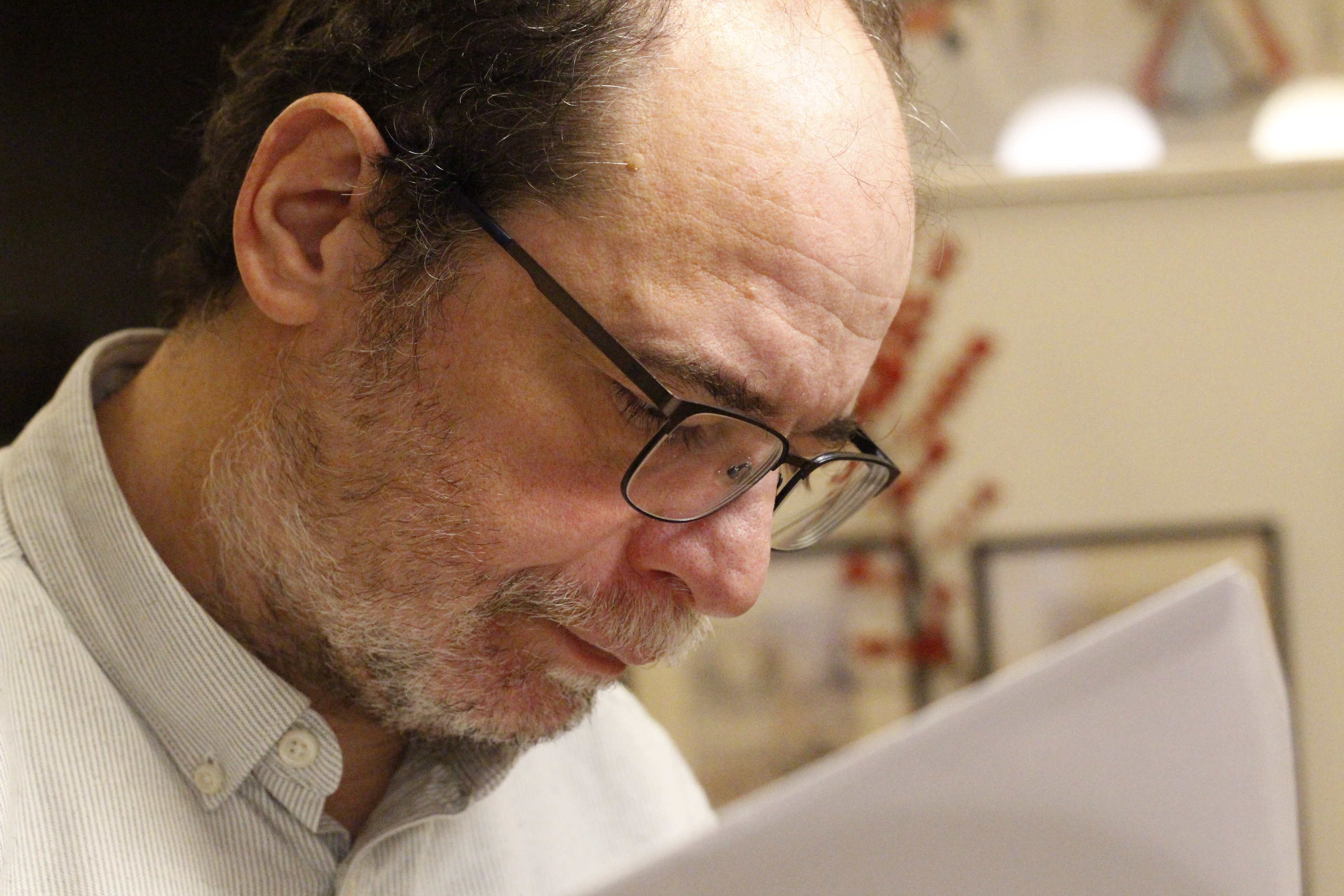
Anja Neundorf is a professor of political science and research methods at the University of Glasgow. She currently leads the European Research Council (ERC)-funded project “Democracy under Threat: How Education Can Save It” (DEMED), which examines how education shapes democratic attitudes and political behavior and can contribute to strengthening democracy. Her other research interests include political socialization, civic education, electoral behavior, democratization, and authoritarian regimes, as well as quantitative methods in political science. Since 2025, she has been a Fellow of the Academy of Social Sciences and a member of various academic advisory bodies on political education and democratic participation in the United Kingdom.
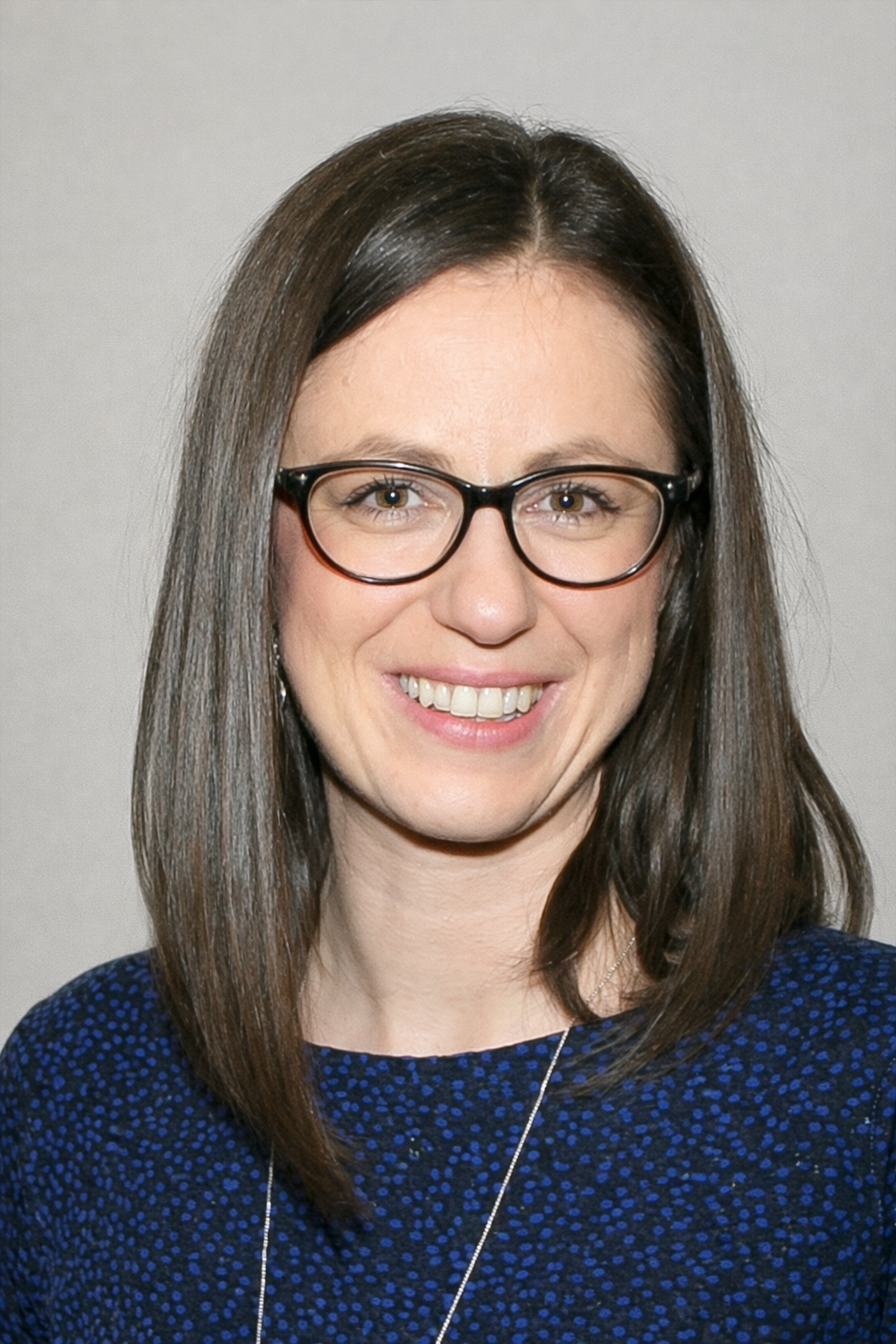
Carl H. Knutsen is a professor of political science at the University of Oslo, where he heads the Comparative Institutions and Regimes (CIR) research group. He is also a research professor at the Peace Research Institute Oslo (PRIO) and a principal investigator at Varieties of Democracy (V-Dem). His research interests include regime change and stability, the economic impacts of political institutions, authoritarian politics, and comparative political science and political economy. He currently leads, among other projects, the ERC-funded research project “Emergence, Life, and Demise of Autocratic Regimes” (ELDAR) and the project “Policies of Dictatorships,” funded by the Research Council of Norway.
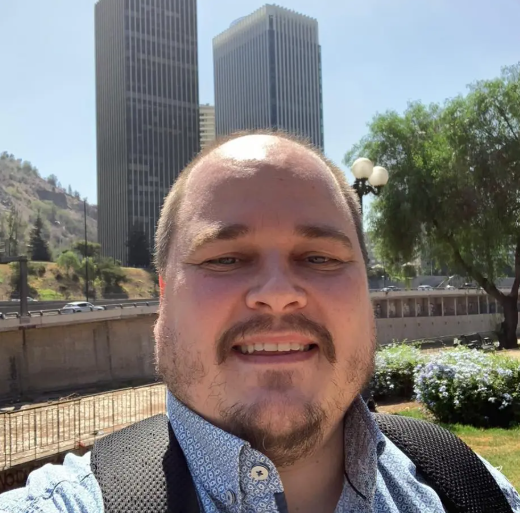
Balazs Trencsenyi is a professor of history and currently teaches at Central European University (CEU). He conducts research on the political and cultural history of ideas in East-Central Europe. His work focuses on conceptions of collective identity, nation, and national specificity, as well as their development in European and transnational contexts. In doing so, he examines East-Central European discourses comparatively and beyond traditional nation-state perspectives, with a focus on Hungary, Romania, and Bulgaria, among others. Since March 2022, he has been a co-organizer of the “Invisible University for Ukraine” project.